














Voor wie psychologische romans waardeert: een donkere, veeleisende studie van verlangen en verveling in 1939.
Elisabeth
Bronnen: Icecat.
4,6 · 102.241 winkelbeoordelingen
Specificaties
Maatvoering · ± 13,5 × 21,5 × 2,4 cm
3D
oorspronkelijk Frans

Achterkant niet als foto beschikbaar
ISBN 9781968671006
Elisabeth · Éric Rohmer
Maten geschat op de uitvoering.
Auteur

Éric Rohmer
Éric Rohmer is een Franse filmregisseur en scenarioschrijver die een belangrijke rol speelt in de nouvelle vague en werkt als redacteur van het filmtijdschrift Cahiers du cinéma. Zijn pseudoniem combineert de namen van regisseur Erich von Stroheim en schrijver Sax Rohmer, bekend van de Fu Manchu-reeks.
iedereen
Volwassenen die houden van literaire romans met psychologische diepgang.
ontroerend
donker · prikkelend
oorlogjeugdverlangenvervelingsociale klassenspanning voor catastrofe
Waar gaat het over
In de zomer van 1939 verblijft de welgestelde familie Roby op het Franse platteland. Terwijl de tienerkinderen en hun vrienden flirten en elkaar bedriegen, groeit onder het oppervlak een onheilspellende spanning. De dreiging van de komende Duitse bezetting hangt als een schaduw over hun schijnbaar zorgeloze dagen, waarin verveling, verlangen en geweld elkaar afwisselen.
Achterflap
<p><b>“A precocious literary triumph . . . <i>E´lisabeth</i></b><b> is far more than a footnote. It would be a rewarding, exciting read even if the identity of its author were unfamiliar.”</b> <b>-Richard Brody, <i>The New Yorker</i></b></p><b> Witty banter, lust, ennui, and an undercurrent of violence percolate beneath a seemingly paradisiacal summer on the eve of World War II, in this landmark translation of the first and only novel by Éric Rohmer, the French New Wave's most prolific and beloved filmmaker.</b><p></p> <p>Fifteen years before completing his first feature film-and ten before beginning a transformative editorial stint at <i>Cahiers du cinéma</i> that would usher the journal, and French cinema, into a new era-the man who would become known worldwide as Éric Rohmer published a single novel. Released by Éditions Gallimard alongside the early works of Claude Simon and Marguérite Duras, Élisabeth was part of the first flowering of what would come to be known as the <i>nouveau roman</i>-and was also the “matrix,” as Rohmer himself later put it, of the images, ideas, and formal concerns of his first sequence of films, <i>Six Moral Tales</i>.</p> <p>Set in the sunstruck countryside east of Paris during the summer of 1939, a year ahead of the German invasion, where the upper-middle-class Roby family and its eponymous matriarch are spending a listless summer, <i>Élisabeth</i> is a war-novel awaiting a war. While the teenage Roby children and their friends swim, flirt, and lie to one another among the baking fields and icy meanders of the Marne, the novel becomes the scene of an anticipatory haunting. The simmering paranoia, calculated blankness, and potential violence of the coming Occupation are already present-as it were, in mufti. With a cool, kaleidoscopic eye, Rohmer lays out his protagonists and their precarious peace-their restlessness, their desperate boredom, their petty romantic agonies-with the unsettling chilliness and the sinister exactitude of details on a tactical map.</p>
Tekst van de uitgever, voorgelezen door Yellowbello.
Genre
Dierenverhaal
Humor
Avontuur
Non-fictie
Historische roman
Fantasy
Feelgood
Roman
dit boek
Thriller
Waar het om draait
Dieren met een karakter — vaak voor de jongste lezers.
Om hardop om te lachen.
Op pad, iets te overwinnen — de reis is het verhaal.
Echt gebeurd of echt uitgelegd.
Fictie in een echt verleden.
Andere werelden met eigen regels, vaak in series.
Warm, hoopvol en met een goed einde.
Mensen, relaties en keuzes — het verhaal zit in de personages.
Een misdaad, een dreiging of een geheim — en de vraag hoe het afloopt.
Spanning
★★☆☆☆
Klein en veilig
★☆☆☆☆
Nauwelijks
★★★★☆
Gevaar onderweg
★☆☆☆☆
Zelden
★★★☆☆
Vaak met een dreiging op de achtergrond
★★★☆☆
Avontuur en actie
★☆☆☆☆
Nauwelijks
★★☆☆☆
Soms, nooit het doel
★★★★★
De kern van het genre
Gevoel
★★★★☆
Warm en herkenbaar
★★★☆☆
Luchtig, soms ontroerend
★★★☆☆
Vriendschap en moed
★★☆☆☆
Hangt van het onderwerp af
★★★★☆
Grote emoties in grote tijden
★★★☆☆
Vriendschap, liefde, verlies
★★★★★
Daar is het voor
★★★★☆
Vaak de reden om te lezen
★★☆☆☆
Adrenaline, weinig tranen
Leesgemak
★★★★★
Kort, vaak op rijm
★★★★★
Leest vanzelf
★★★★☆
Vaart, korte hoofdstukken
★★☆☆☆
Vraagt aandacht
★★★☆☆
Meestal toegankelijk
★★★☆☆
Even inkomen in de wereld
★★★★★
Leest vanzelf
★★★☆☆
Van vlot tot veeleisend
★★★★☆
Korte hoofdstukken, hoog tempo
Iets opsteken
★★☆☆☆
Over gevoelens en samen zijn
★☆☆☆☆
Ontspanning
★★☆☆☆
Terloops, over de wereld
★★★★★
De reden om te lezen
★★★★☆
Je leert terwijl je leest
★☆☆☆☆
Ontspanning
★☆☆☆☆
Ontspanning
★★★☆☆
Over mensen en tijdgeest
★☆☆☆☆
Ontspanning
Als cadeau
★★★★★
Altijd raak voor peuters en kleuters
★★★★★
Veilig en vrolijk
★★★★☆
Bijna altijd raak, ook voor kinderen
★★★☆☆
Als je de interesse kent
★★★★☆
Breed geliefd
★★☆☆☆
Alleen voor liefhebbers
★★★★★
Veilig en fijn
★★★☆☆
Smaakgevoelig
★★★★☆
Bijna iedereen leest thrillers
Beste voor
Voorlezen aan peuters en kleuters
Lezers die niet willen huilen, kinderen vanaf 8
Kinderen en volwassenen die actie willen
Nieuwsgierige lezers, studie, werk
Wie een verhaal wil dat ook iets leert
Lange series, jongeren, wegdromen
Ligstoel, moeilijke week, cadeau
Rustig lezen op de bank, leesclubs
Vakantie, trein, in één ruk uit
De Elisabeth is goed in

Om bij weg te dromen ★★★★
Ontroerend van toon: dit boek blijft nog even hangen.
Als cadeau ★★★
We kennen het genre, maar nog niet of het breed genoeg is om te geven.

Voor op vakantie
Veeleisend proza — eerder een boek voor de bank dan voor het strand.
Om iets van op te steken
Raakt aan de geschiedenis, maar is vooral een verhaal.
Spanning van begin tot eind
Dit boek is niet geschreven om spannend te zijn.
Om voor te lezen
Geen kinderboek.
Productdetails
“A precocious literary triumph . . . E´lisabeth is far more than a footnote. It would be a rewarding, exciting read even if the identity of its author were unfamiliar.” -Richard Brody, The New Yorker
Witty banter, lust, ennui, and an undercurrent of violence percolate beneath a seemingly paradisiacal summer on the eve of World War II, in this landmark translation of the first and only novel by Éric Rohmer, the French New Wave's most prolific and beloved filmmaker.Fifteen years before completing his first feature film-and ten before beginning a transformative editorial stint at Cahiers du cinéma that would usher the journal, and French cinema, into a new era-the man who would become known worldwide as Éric Rohmer published a single novel. Released by Éditions Gallimard alongside the early works of Claude Simon and Marguérite Duras, Élisabeth was part of the first flowering of what would come to be known as the nouveau roman-and was also the “matrix,” as Rohmer himself later put it, of the images, ideas, and formal concerns of his first sequence of films, Six Moral Tales.
Set in the sunstruck countryside east of Paris during the summer of 1939, a year ahead of the German invasion, where the upper-middle-class Roby family and its eponymous matriarch are spending a listless summer, Élisabeth is a war-novel awaiting a war. While the teenage Roby children and their friends swim, flirt, and lie to one another among the baking fields and icy meanders of the Marne, the novel becomes the scene of an anticipatory haunting. The simmering paranoia, calculated blankness, and potential violence of the coming Occupation are already present-as it were, in mufti. With a cool, kaleidoscopic eye, Rohmer lays out his protagonists and their precarious peace-their restlessness, their desperate boredom, their petty romantic agonies-with the unsettling chilliness and the sinister exactitude of details on a tactical map.
- Categorie Biografie en Memoires
- EAN 9781968671006
Alle specificaties (21)
- Auteur Éric Rohmer
- Over de auteur Éric Rohmer is een Franse filmregisseur en scenarioschrijver die een belangrijke rol speelt in de nouvelle vague en werkt als redacteur van het filmtijdschrift Cahiers du cinéma. Zijn pseudoniem combineert de namen van regisseur Erich von Stroheim en schrijver Sax Rohmer, bekend van de Fu Manchu-reeks.
- Genre Roman
- Subgenre Nouveau roman, oorlogsroman
- Thema's oorlog · jeugd · verlangen · verveling · sociale klassen · spanning voor catastrofe
- Stemming donker · prikkelend · ontroerend
- Tempo rustig
- Leesniveau veeleisend
- Leeftijdsgroep volwassene
- Voor wie iedereen
- Los te lezen Ja
- Speelt in (tijd) zomer 1939
- Speelt in (plaats) platteland ten oosten van Parijs, Frankrijk
- Oorspronkelijke taal Frans
- Bestseller Nee
- Verfilmd Nee
- Waargebeurd Nee
- Achterflap <p><b>“A precocious literary triumph . . . <i>E´lisabeth</i></b><b> is far more than a footnote. It would be a rewarding, exciting read even if the identity of its author were unfamiliar.”</b> <b>-Richard Brody, <i>The New Yorker</i></b></p><b> Witty banter, lust, ennui, and an undercurrent of violence percolate beneath a seemingly paradisiacal summer on the eve of World War II, in this landmark translation of the first and only novel by Éric Rohmer, the French New Wave's most prolific and beloved filmmaker.</b><p></p> <p>Fifteen years before completing his first feature film-and ten before beginning a transformative editorial stint at <i>Cahiers du cinéma</i> that would usher the journal, and French cinema, into a new era-the man who would become known worldwide as Éric Rohmer published a single novel. Released by Éditions Gallimard alongside the early works of Claude Simon and Marguérite Duras, Élisabeth was part of the first flowering of what would come to be known as the <i>nouveau roman</i>-and was also the “matrix,” as Rohmer himself later put it, of the images, ideas, and formal concerns of his first sequence of films, <i>Six Moral Tales</i>.</p> <p>Set in the sunstruck countryside east of Paris during the summer of 1939, a year ahead of the German invasion, where the upper-middle-class Roby family and its eponymous matriarch are spending a listless summer, <i>Élisabeth</i> is a war-novel awaiting a war. While the teenage Roby children and their friends swim, flirt, and lie to one another among the baking fields and icy meanders of the Marne, the novel becomes the scene of an anticipatory haunting. The simmering paranoia, calculated blankness, and potential violence of the coming Occupation are already present-as it were, in mufti. With a cool, kaleidoscopic eye, Rohmer lays out his protagonists and their precarious peace-their restlessness, their desperate boredom, their petty romantic agonies-with the unsettling chilliness and the sinister exactitude of details on a tactical map.</p>
- In één zin Een Franse familie beleeft een zomer vol spanning en verveling vlak voor de Duitse invasie.
- Waar gaat het over In de zomer van 1939 verblijft de welgestelde familie Roby op het Franse platteland. Terwijl de tienerkinderen en hun vrienden flirten en elkaar bedriegen, groeit onder het oppervlak een onheilspellende spanning. De dreiging van de komende Duitse bezetting hangt als een schaduw over hun schijnbaar zorgeloze dagen, waarin verveling, verlangen en geweld elkaar afwisselen.
- Voor wie Volwassenen die houden van literaire romans met psychologische diepgang.
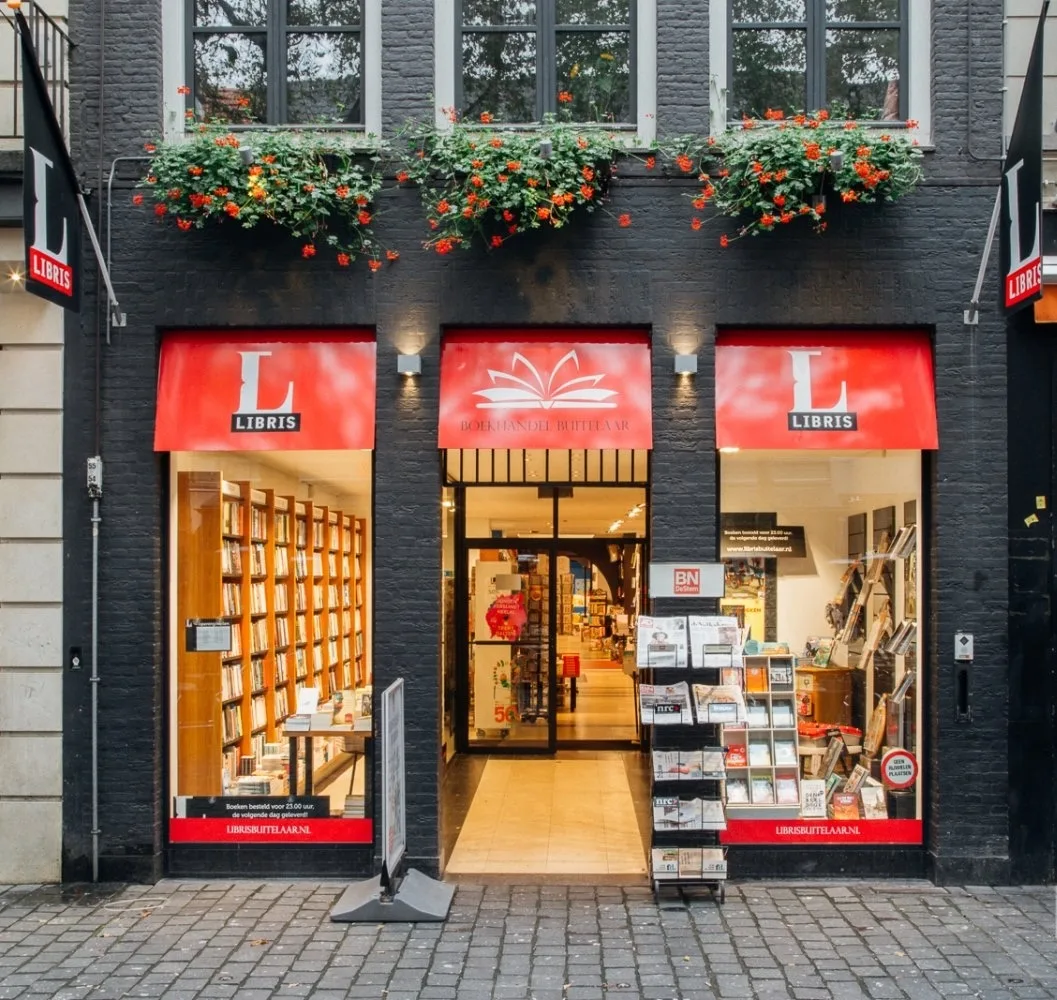
Aangeboden door Libris
Dit product wordt aangeboden door Libris, met een winkel in 's-Hertogenbosch. Koop lokaal en profiteer van extra service:
Winkels die dit product verkopen
Meer producten van Libris




€20,95
- Koop vertrouwd bij Libris
- Nu af te halen
- Altijd welkom in de winkel